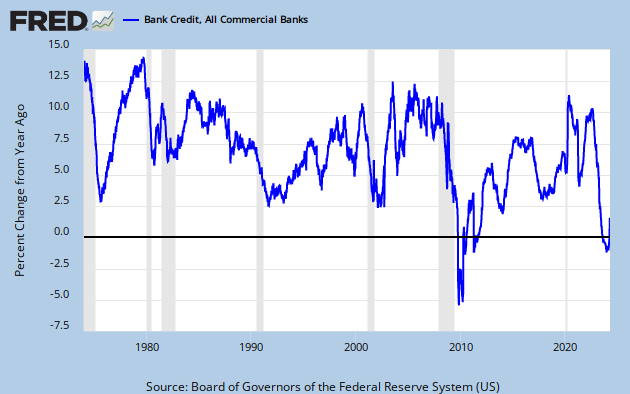
sexta-feira, 30 de outubro de 2009
Sobre paradoxos do actual sistema monetário
sexta-feira, 16 de outubro de 2009
A ERSE e a subida do preço da electricidade
quarta-feira, 14 de outubro de 2009
The Next Bubble
"How the Fed Can Avoid the Next Bubble: The central bank needs to watch asset prices and raise rates quickly when it decides the time is right.
Ben Bernanke and the Federal Reserve face a number of very difficult challenges in the years ahead. They include:
• Resisting pressure to monetize deficits, which would eventually cause high inflation.
• Implementing an exit strategy from the massive monetary easing of the past year.
• Maintaining the Fed's independence, which has been compromised by the direct and indirect bailout of financial institutions and congressional attempts to micromanage the central bank.
• Properly calculating asset prices and the risk of asset bubbles according to the Taylor rule, an important guideline central banks use to set interest rates.
• Supervising and regulating the financial system more effectively, particularly in the role of "systemic risk" regulator."
Mas esta lista é tudo o que nunca os Bancos Centrais conseguiram fazer. E como é que sabem que não estamos novamente e já numa nova bolha? Pelos métodos empíricos com que conseguiram assistir ao desabar do sistema financeiro?
segunda-feira, 12 de outubro de 2009
sexta-feira, 25 de setembro de 2009
Portugal e a crise
quinta-feira, 17 de setembro de 2009
Ron Paul em 2003, House Financial Services Committe
quarta-feira, 26 de agosto de 2009
Imposto Negativo e o efeito tendencialmente auto-destrutivo do Estado-Social
Uma diferença entre o chamado imposto negativo (talvez deficientemente descrito no meu post anterior no VentoSueste e já comentado pelo Miguel Madeira) e por exemplo o nosso rendimento social de inserção (RSI) é (pelo menos em tese) o grau de eficiência da sua aplicação. Ou por outra, é a ainda não imediata e automática aplicação do RSI a todos (embora seja nítido que esteja a crescer a sua base), o facto de ter de ser pedido algures com maior ou menor dificuldade e exposição social, o facto de existir um filtro que avalia a situação, o facto de mesmo uma parte das pessoas que poderiam ter direito ao RSI e não o fazem (por pudor social, por ignorância, etc.)...faz com que funcione (ainda) como travão ao efeito (podemos baptiza-lo de “efeito tendencialmente auto-destrutivo do estado-social”?) que tentei anteriormente descrever.
Recorde-se, imposto negativo ou não (embora seja mais nítido se pensarmos em termos de imposto negativo)...
... todo o esquema de ajuda tende a desincentivar rendimentos imediatamente superiores, além do incentivo a beneficiar de forma permanente ou seja o desincentivo a tudo fazer para recuperar um rendimento superior.
O imposto negativo, em tese, seria aplicado de forma muito automática e o conceito é simples: Todas as pessoas com rendimentos inferiores por exemplo a 500 euros mensais (assim fosse decidido) receberiam a diferença para esses 500 euros. Podemos até imaginar que tal esquema fosse aplicado mensalmente (seria o ideal). Todos os restantes esquemas de ajuda poderiam como que desaparecer. Seria simples e eficiente decidir colectivamente e de forma igualitária que nível de redistribuição aos mais desfavorecidos se deseja.
Muito mais simples de analisar, de propor, de decidir, do que a habitual mistura de várias e complexas medidas de ajuda, uns cumulativos outros não.
O que quer dizer é que a democraticidade da comparação de propostas é quase impossível pela população votante, comparar com Proposta Partido A: 600 Euros, Partido B: 400 Euros.
Dito isto, ou seja, depois de defender que o imposto negativo parece responder em democraticidade, igualdade, eficiência, a tudo o que é suposto num Estado Social virado prioritariamente para os mais desfavorecidos – e o qual tudo tem para ser defendido de forma alargada…
… Parece-me que o imposto negativo torna claro, precisamente pela sua democraticidade e eficiência, o tal “efeito tendencialmente auto-destrutivo do estado-social”:
3. Rendimentos imediatamente superiores (para não falar dos inferiores) a 500 Euros são desincentivados a trabalhar mesmo que isso signifique passar a auferir menor rendimento
4. Necessário agora aumentar receita fiscal para um menor número de contribuintes
5. Aumenta assim a desutilidade de trabalhar dos rendimentos próximos de 500 Euros (rendimento líquido de imposto fica mais próximo dos 500 euros por isso… mais vale passar a beneficiar)
6. Reivindicação (ou proposta por partido) do aumento de 500 Euros para 550 Euros
… e assim começa novo “Round”, em que cada vez existem menos contribuintes para maior receita fiscal necessária e mais beneficiários.
A forma como o imposto é colectado parece-me uma questão menor. No final, todo o imposto recai sobre a produção (rendimento), se existir imposto sem existir rendimento (possível por exemplo no imposto sobre propriedade) ainda pior, o imposto recai sobre a propriedade obrigando à sua venda mesmo que em parcela para poder pagar o imposto.
terça-feira, 25 de agosto de 2009
As indústrias discográfica e cinematográfica e a pirataria
As indústrias discográfica e cinematográfica já deviam ter percebido que cada vez que derrotam um adversário na luta contra a pirataria, um pior surge. Um pouco como uma doença que sendo mal curada com antibióticos vai desenvolvendo resistência, o uso dos tribunais para lutar contra a pirataria torna-a inevitavelmente imparável.
quinta-feira, 13 de agosto de 2009
Robert Lucas e as expectativas
My Lucas Critique
This is far too clever and slippery. Someone can evaluate a situation as unsustainable (or poised in an "unstable equilibrium") without being able to predict exactly when the break will occur....
Also...I'm starting to think the efficient markets hypothesis is a state of mind, a consciously chosen way of looking at the world. I'm not sure what it would mean to really falsify it. It seems that any attempt to test it would rely on assumptions about seemingly random events, which in the final analysis would mean you weren't really testing the efficient markets hypothesis alone.
In the comments Troy Camplin argued that, contrary to Lucas, the existence of price bubbles obviously shows the Efficient Markets Hypothesis (EMH) is false. I responded:
Troy,
Your understanding of what the EMH is, is obviously different from Lucas'. Lucas obviously is aware of what happened to housing prices, and he doesn't think it violated EMH.
This is partly what I was getting at in my post. I'm pretty sure that Lucas thinks the housing market was hit with a really big shock in 2006, and that made prices fall.
Lucas knows it must have been an unexpected shock, because...(you fill in the blanks).
So my point is that Lucas thinks he just empirically tested whether EMH held up during the housing boom and bust, and he thinks it passed through with flying colors. Yet what wouldn't pass with flying colors?
Don't misunderstand, I'm agreeing with you: The housing bubble is a great reason that I personally don't endorse the EMH. But technically speaking, the EMH is consistent with what just happened. So Lucas isn't wrong, he just doesn't realize how a priori his worldview is.
quarta-feira, 12 de agosto de 2009
Bubble Economics: The Illusion of Wealth, Douglas French
"Since 1998, the money supply (as measured by M2) has doubled. In fact, it has increased elevenfold since 1971, when we gave up the last ties of the gold standard. So we have an expansion in the money supply now that is similar to what we had during the Roaring Twenties. We also have a series of bubbles: a tech bubble, then a real-estate bubble — all part of what Bill Fleckenstein calls "Operation Enduring Bubble." Of course, inflation and the resulting bubbles have disastrous economic effects. But in Human Action, Mises wrote that
The boom produces impoverishment. But still more disastrous are its moral ravages. It makes people despondent and dispirited. The more optimistic they were under the illusory prosperity of the boom, the greater is their despair and their feeling of frustration. The individual is always ready to ascribe his good luck to his own efficiency and to take it as a well-deserved reward for his talent, application, and probity. But reverses of fortune he always charges to other people, and most of all to the absurdity of social and political institutions. He does not blame the authorities for having fostered the boom. He reviles them for the inevitable collapse.
That is exactly what most people are doing today. They're blaming Wall Street. Everyone congratulated themselves when their homes were doubling in value. Everybody thought they were smart to pick those stocks in their 401(k) plans. But now that the bubble has popped, it's all Wall Street's fault."
terça-feira, 28 de julho de 2009
Alguém falou em flat taxes ?
sexta-feira, 24 de julho de 2009
"Com Lucros não há despedimento"
quinta-feira, 9 de julho de 2009
quarta-feira, 8 de julho de 2009
segunda-feira, 29 de junho de 2009
Criação de moeda pelos Bancos I
segunda-feira, 15 de junho de 2009
Islândia - Boom and Bust
A significant boom had materialized, much of it realized in foreign currency at captivatingly low interest rates. However, when the house of cards finally came tumbling down, this boom sustained on foreign currencies soon came to an end.
Iceland's Banking Crisis: The Meltdown of an Interventionist Financial System, Mises Daily by Philipp Bagus and David Howden
quinta-feira, 11 de junho de 2009
Mises, o método da ciência económica e o seu conflito com o Historicismo alemão
After 1866, the men who came into the academic career had only contempt for "bloodless abstractions." They published historical studies, preferably such as dealt with labor conditions of the recent past. Many of them were firmly convinced that the foremost task of economists was to aid the "people" in the war of liberation they were waging against the "exploiters."
This was the position Gustav Schmoller embraced with regard to economics. Again and again he blamed the economists for having prematurely made inferences from quantitatively insufficient material. What, in his opinion, was needed in order to substitute a realistic science of economics for the hasty generalizations of the British "armchair" economists was more statistics, more history, and more collection of "material." Out of the results of such research the economists of the future, he maintained, would one day develop new insights by "induction."
The political significance of the work of the Historical School consisted in the fact that it rendered Germany safe for the ideas, the acceptance of which made popular with the German people all those disastrous policies that resulted in the great catastrophes."
domingo, 31 de maio de 2009
A ameaça neoliberal
domingo, 24 de maio de 2009
quarta-feira, 20 de maio de 2009
O custo da "segurança laboral"
De acordo com o INE, os recibos verdes aumentaram 50% em quatro anos. Agora que nos encontramos em vésperas de eleições para o Parlamento Europeu, vem inevitavelmente à conversa a segurança no emprego, que o modelo social europeu pretende garantir. No entanto, se há algo que muitas pessoas já sentiram na pele é a dificuldade de, estando desempregadas, arranjarem novo trabalho. Bem sei que não é fácil, mas convinha que fossemos honestos nesta matéria e tivéssemos em conta que, quanto mais custoso é despedir, mais difícil é contratar e mais complicada a vida para quem perde o emprego.
sábado, 16 de maio de 2009
Pete Boettke sobre o Mises Institute
The Mises Institute is the world's leading web-based resource for Austrian economics. Students interested in Austrian economics benefit greatly from the books and articles made available on their website. Also, the Mises Institute sponsors conferences that bring students in from throughout the world to learn about the teachings of Mises. And the scholars associated with the Mises Institute publish widely and have a broad audience.
I congratulate them on all this great work and I don't want my "dispute" over (a) GMU and (b) which direction forward for Austrian economics as a progressive research program in the modern economic profession to confuse people. The Mises Institute is not just an important resource for students of the Austrian school of economics, it has become an inspensible one thanks to the efforts of Lew and Jeff.
Also, I should add that on an ideological front the Mises Institute has been the most steadfast defender of libertarianism, anti-war, and a consistent voice against the policies that led us to our current situation, and the policy responses of Bush and now Obama.
quinta-feira, 14 de maio de 2009
Teoria Monetária: 100% de Reservas versus "Free Banking"
O que está em questão é saber da possibilidade legal e económica, em liberdade económica de emissão de moeda e livre circulação, da existência de depósitos à ordem e emissão de notas com 100% de reservas ou com fixação livre por parte dos emitentes - situação a que provavelmente um dia chegaremos dada a tendência natural do presente regime intervencionista (como outros no passado) de colapsar ou o que seria melhor, a consciência da irracionalidade e de risco sistémico bem evidente nas crises cíclicas permitir a introdução da concorrência na emissão e circulação de moeda.
Coloco aqui os meus sucessivos comentários, a minha linha de argumentação corresponde a uma tese que eu espero vir a ser capaz de produzir num texto mais elaborado com a ajuda de Luis Aguiar Santos.
I.
Posted also in "Larry Sechrest's Free Banking: Live Blog Prelude"
In honest and free competition Free-Banking: "Good Money drives out Bad money", and that means... 100% Reserves because:
- "Free banking" to be honest require that banks that issue notes and accept deposits of a commodity (let´s say gold and silver) to be absolutely clear about the service and contract provided.
- "100% Reserve Bank" could say something like: "This note is a receipt of a gold coin deposit" or "Your balance in you demand deposit current account is covered 100% by gold deposits"
- Bank "20% partial reserve" should say: "this note or balance in demand deposit is a claim/IOU of gold coins covered at demand by at least 20% of gold"
So, the free banking argument is valid in the sense taht each issuer is perfectly clear about the contract established.
The thing that the "free banking" argument misses is that:
- notes/deposits from diferent issuers will not be in anyway fungible
- in a free market with an honest Free-Banking, Good Money will drive out Bad Money... just imagine an arbitrage between asking credit in a partial reserve bank (that wil expand it´s money supply wiht the new credit) and "buying" notes/deposits in a 100% reserve bank.
The partial reserve bank will trade at discount sooner or later.
The discount will also appear if you think yourself making a deposit of 100 gold coins that you are adding to your hoarding. In a partial reserve bank, in the moment that you deposit 100 coins, you are receiving notes/deposits that will be exchanged for sure at discount.
II.
1. Honest free banking requires that each partial reserve bank states clearly what the note/deposit issued means (ex: "This is not a 100% reserve bank. A minimum of 20% reserves will be deposit").
2. Notes issued by partial reserve banks will trade at discount because it´s possible to ask for loans (which will increase the partial reserve bank money supply) and buy a 100% reserve notes.
It seems that the defenders of "free banking" are willling to exchange theirs 100% reserve banks notes for "partial reserve notes" at par value... until....some one realizes that there is a risk in its partial reserve notes
At some point the discount must appear, the extra interest in deposits in partial reserve banks are a premium for its risk loosing power purchase and even default , not a "out of thin air" advantage against 100% reserve banks deposits.
3. It´s funny to realize that a "partial reserve bank" could use "100% reserve banks notes" as part of it´s reserve.
III.
A speculator could even ask for loans in a partial reserve bank and immediately call for the physical gold.
I suppose a partial reserve bank would want to control this possibility in some way.
And it is difficult to imagine that someone is willing to deposit physical gold in a partial reserve bank, knowing that maybe the free banking guys are right and no one will ask for a discount.
i think that the historical examples of at par exchange value to physical gold and silver are subject to critical review of things like clear disclaiming of the partial reserve banks.
(I have exchanged comments with historians here in Portugal where it seems different notes from different issuers were exchanged at different discounts but this is something to be confirmed).
As i said, a partial reserve bank could use 100% reserve note, but the other way around it is not possble. So...?
I am sure that people (or sofisticated speculators) would realize the difference on bank runs in one kind of bank and another.
IV.
Credit risk in 100% reserve banks does not have an impact in demand deposits.
Demand deposits are suposed to be equivalent to ... full hoarding. Only time deposits would be at risk.
PS: actually a 100% reserve bank must carry more than 100% reserves because of the time deposits that expiry and turns to demand deposits.
V.
I think one thing is certain in the current "consumer protection" legislation environment:
Pure receipts of gold deposit (100% RB) and "promisse of payment" (FRB) are different contracts and the client of one or another must be warned.
FRB defenders claims that promisse of payment and pure receipts will both be valued at par value.
100% RB defenders must prove that it is possible to arbitrage the risk, making loans in FRB notes (supply of promisse of payment is increased) and buying pure deposit certificates at par value (so the FRB says)... till for instance a last loan is made and the arbitrager ask for immediate redemption in physical cold, reducing the reserves ... till the market begins to ask for a discount for the FRB.
VI.
We can at least discuss at what level of reserves would today, in a age of information, cause a discount.
Would 5% of reserves notes (or promisses of payment) with public information be the same as 50% reserve notes?
Would the discount never happear beggining in 100% and ending in 0%?
Would not the process of risk arbitrage described make it appear sonner than latter?
What i am saying is that i agree with Free Banking, let them live. Let them put in the notes issued and in the deposit contracts the precise terms.and publishing what amount of reserves are held, making it clear the difference between physical and 100%RB notes and such FR promisses of payment.
And let´s buy all the physical gold at par value (if any) with money lent from a FRB (Free Bankers will sell it).
VII.
About George Selgin saying: "Even a pure gold system allows some scope for ABCT"
Two types of inflation:
- pure (let´s call it "pure") inflation that enters the economy through direct spending
- inflation through credit expansion
My opinion is that the first one causes prices to go up but not "pure" ABCT in the sense of serious direct misallocation between investment and previous and voluntary savings, although also interferes with relative prices and economic calculation
The second one is the root of ABCT.
The first one is caused by gold discoveries and at the present by printing money to pay for deficits (even if from buying public debt).
The second is the real ABCT problem because investment is funded by expansion of credit form pure money creation distorting interest rates and pressuring asset prices more than "consumer" prices.
VIII.
FRB Notes and deposits are honest if proper disclosure and with that i think the term "note" and "deposit" is not apropriate for FRB, but "promisses of payment" and "credit current account" (or something like that).
Only 100% RB should be able to use the ter "note" and "demand deposit".
If the market would ask for a discount or not between "promisses of payment" or not is the real discussion that is worthy.
quarta-feira, 6 de maio de 2009
Desculpem lá a presunção, mas este discurso é muito ... CN
Negócios:
Paulo Rangel diz que Estado está "num caminho de declínio"
"O Estado é a criação humana que imita Deus. É omnipresente, é omnisciente e nunca ninguém o vê"
"Acho que o Estado está num estado final, não sei prever é quando. Está claramente num caminho de declínio. A União Europeia é uma solução para um Mundo que tem algumas parecenças com a Idade Média",
"tem de competir com um conjunto de organizações", a nível local, supranacional, desportivo, religioso ou confessional, para concluir que: "o Mundo é mais competitivo". "
Via outra fonte diz qualquer coisa como ""...uma Europa medieval, com tribunais mas sem Estado, mais civil e menos política"
segunda-feira, 4 de maio de 2009
Os "depósitos" à ordem
Parece que os Bancos só estão obrigados a fazer pagamentos se o puderem fazer. Porque se não o puderem fazer, o Bdp actua com o seu privilégio de poder substituir-se ao direito comercial e civil permitindo aos Bancos fugirem ao processo de falência.
Assim, quando falamos dos depósitos à ordem, é mais um factor de incerteza a adicionar às reservas parciais:
1- os depósitos à ordem de moeda só existem realmente em moeda no banco numa pequena porção (3% a 5%), o que faz com que no limite apenas os primeiros 3% a 5% a "correr" (hoje é mais via pedidos de transferência electrónica) ao banco recebam o seu dinheiro (ou será crédito ao banco?).
2- e para piorar, quem queira levantar o seu dinheiro e perante a impossibilidade do Banco o realizar, não pode recorrer ao pedido de falência e despoletar quanto antes a sua liquidação.
quarta-feira, 29 de abril de 2009
A Credit-Crunch Reader
In the 29th IEA Current Controversies Paper, Robert Rosenbleeth provides a valuable compendium of free-market blog and think-tank responses to the crash of 2008. A short summary of each article or paper is provided, together with a link to the original piece.
Material is selected from the world's most renowned classical-liberal and liberarian think tanks, including the Cato Institute, the Heritage Foundation and the Ludwig von Mises Institute, as well as the Institute of Economic Affairs.
The overriding message from these readings is clear. Contrary to conventional wisdom, the crash was not the result of unchecked "laissez-faire" capitalism. In fact the credit crunch can be explained by a combination of misguided regulation, government intervention and loose monetary policy. Unfortunately, as the authors point out, governments' responses to the credit crunch would appear to be equally ill-conceived.
segunda-feira, 27 de abril de 2009
quinta-feira, 23 de abril de 2009
Deflaçãofobia
Ver "Consumer Price Index (Estimate) 1800-2008" via Federal Reserve Bank of Minneapolis.
Apesar do apriorismo ser suficiente para concluir que numa economia livre com moeda estável ("Am i repeating myself?") o crescimento económico traduz-se precisamente em queda de preços....
(sim, é verdade que queda de preços pode ocorrer precisamente pelo oposto, uma crise inevitável após uma bolha fomentada artificialmente por expansão de crédito e moeda, mas aqui a queda de preços é também uma consequência - não a causa - e um processo de cura)
... vamos ver se os factos atrapalham.
sábado, 18 de abril de 2009
Instituições e liberdade
sexta-feira, 17 de abril de 2009
O Estado e a corrupção
Um sistema suficientemente corrupto torna-se capaz de gerar rendimentos lícitos para os seus membros. Isto porque os tentáculos do sistema conseguem chegar a todos os órgãos legítimos do regime. Conseguem chegar à justiça, ao Parlamento, ao governo, à administração pública e à polícia. A corrupção deixa de ser uma actividade marginal e torna-se rapidamente na forma de funcionamento normal e legal do aparelho de Estado.
quarta-feira, 15 de abril de 2009
New Deal: a realidade
1930 8.7%
1931 15.9%
1932 23.6%
1933 24.9%
1934 21.7%
1935 20.1%
1936 16.9%
1937 14.3%
1938 19.0%
1939 17.2%
Fonte: http://www.huppi.com/kangaroo/Timeline.htm
Contra o pensamento único
Já todos conhecem o lobo mau, chama-se neoliberalismo selvagem (peço desculpa pela redundância mas é assim que se costuma dizer nas tabernas e nas associações de estudantes universitários), é contra ele que o estado deve lutar.
quinta-feira, 9 de abril de 2009
domingo, 5 de abril de 2009
sábado, 4 de abril de 2009
Boas notícias: Obama vai fazer nascer um novo (e melhor) Reagan
Carlos Santos representa o state of the art da coisa: "O que é inovador aqui é a possibilidade que está a ser dada ao FMI de emitir novos DES, até um máximo de 250.000 milhões, sem ter que existir um depósito real de divisas. Isto é, o FMI passa a poder valer-se de um instrumento semelhante ao Quantitative Easing dos Bancos Centrais. O FMI emitirá SDR nesse montante e irá distribuí-los pelos diversos países, aumentando portanto os direitos de cada um em reservas em divisas, sem qualquer contrapartida real para o fundo."
sexta-feira, 3 de abril de 2009
G20: vandalismo e neo-keynesianismo em Londres
Tweeting G20
G20 - parece que vão vender ouro do FMI para tirar moeda da economia para depois terem moeda para dar de volta à economia
G20 - se temos um trilião para combater a crise porque é que tivemos mesmo a crise?
quinta-feira, 2 de abril de 2009
Gold Watch
ECB sells 35.5 tonnes of gold: bank: "While the ECB did not provide financial details of the sale, with gold prices at around 920 dollars an ounce, the latest sales would have a value on the order of 1.15 billion dollars (870 million euros)."
PS: Notável que a cotação se tenha mantido acima dos 900 Usd por onça. A verdade é que o ETF GLD negociado em NY (título representativo de ouro físico negociado como uma acção) tem sido um dos grandes veículos (e têm sido lançadas outros veículos similares e concorrentes em várias bolsas - o mais recente na Índia) de aumento de procura de ouro físico, contando já com mais de 1 000 toneladas e um valor de mercado aproximado de 30.5 mil milhões de Usd. Um excelente veículo de investimento em ouro (mas que não deve substituir, mas sim complementar, a posse física de ouro).
"Imparidades" e os Capitais Próprios dos Bancos
Fica melhor do que "prejuízos" ou "perdas". Parece algo externo à gestão.
Mas objectivamente, hoje em dia, ao contrário de outros tempos, os Bancos praticamente só precisam de capital por causa das "imparidades" potenciais nos seus investimentos quando antes, os Bancos precisavam de capital em moeda pura como parte das "reservas" para os seus depósitos.
Mas dado que hoje as reservas (o dinheiro efectivamente detido) é de apenas 3% a 5% da totalidade dos depósitos, e quando são insuficientes os Bancos Centrais "injectam" mais, os Bancos só precisam de capital por causa das flutuações do preços dos seus investimentos.
A vida tranquila dos grandes depositantes
Negócios: A administração do Banco Português de Negócios (BPN) está preocupada com a dimensão das saídas de depósitos da instituição e admite que a liquidez do banco atingiu valores insustentáveis a curto prazo.
"A saída diária de depósitos, em valores que chegam a atingir as dezenas e mesmo as centenas de milhões de euros, sem a necessária e vital compensação, pela via da captação de novos depósitos, está a conduzir a instituição para uma situação muito delicada e de extrema gravidade", escreveu o administrador, acrescentando que o cenário descrito "compromete seriamente o futuro do banco".
PS: Esta nota interna, como se pode perceber é uma fullfilling prophecy.
As intervenções iniciais em Bancos, com injecção imediata de liquidez e reservas de emergência e ainda garantias, destinam-se a permitir que os maiores depositantes e credores mais informados retirem o seu dinheiro com traquilidade, aqueles que de resto, colocam um Banco em situação de insolvência ao esgotar os 3% a 5% de reservas para a totalidade de depósitos. Depois só mais tarde é que os restantes depositantes são confrontados com os factos, podendo acreditar ou confiar mais ou menos na capacidade do intervencionismo. Neste caso, menos.
No final, os grandes depositantes são os que estão sempre garantidos pelo sistema. Quando se lembram de "fugir" de um banco colocando-o sem reservas (de resto, acto perfeitamente legítimo e racional), aparecem sempre estas reservas para poderem retirar os seus depósitos com a traquilidade de saber que o sistema o protege.
terça-feira, 31 de março de 2009
Leituras sobre o Estado e o Capitalismo
Capitalismo de Estado. Por André Abrantes Amaral.
segunda-feira, 30 de março de 2009
Gold Watch
Econometria na Economia? (II)
becomes clear. Econometrics not only attempts to ape the natural
sciences by using complex heterogeneous historical facts as if they were
repeatable homogeneous laboratory facts; it also squeezes the qualitative
complexity of each event into a quantitative number and then compounds
the fallacy by acting as if these quantitative relations remain constant in
human history. In striking contrast to the physical sciences, which rest on
the empirical discovery of quantitative constants, econometrics, as Mises
repeatedly emphasized, has failed to discover a single constant in human
history. And given the ever-changing conditions of human will,
knowledge, and values and the differences among men, it is
inconceivable that econometrics can ever do so.
Far from being opposed to history, the praxeologist, and not the
supposed admirers of history, has profound respect for the irreducible
and unique facts of human history. Furthermore, it is the praxeologist
who acknowledges that individual human beings cannot legitimately be
treated by the social scientist as if they were not men who have minds
and act upon their values and expectations, but stones or molecules
whose course can be scientifically tracked in alleged constants or
quantitative laws. Moreover, as the crowning irony, it is the praxeologist
who is truly empirical because he recognizes the unique and
heterogeneous nature of historical facts; it is the self-proclaimed
"empiricist" who grossly violates the facts of history by attempting to
reduce them to quantitative laws."
Praxeology: The Methodology of Austrian Economics by Murray Rothbard
Armadilha de liquidez
Ou outra forma de dizer "insolvência". Muitos economistas preferem falar de "armadilha de liquidez", como se culpa da "insolvência" fosse da armadilha de liquidez". Uma das actividades preferidas do maistream académico é baralhar a si mesmo e aos outros trocadno causas e consequências, depois juntam expressões vazias e algumas expressões matemáticas e no fim recomendam mais inflacionismo, crédito e despesa do Estado.
Negócios: "Banca espanhola afunda após intervenção na Caja Castilla-La Mancha"
domingo, 29 de março de 2009
Merkel (proto-austrian)
sábado, 28 de março de 2009
The Fed and the Housing Bubble
quinta-feira, 26 de março de 2009
quarta-feira, 25 de março de 2009
Bancos Centrais: como esconder informação "relevante"
"The Congresswoman from Minnesota asks Bankster Puppet Bernanke why it is not public information as to which banks go to the "Federal" Reserve for loans
Komrade Bernanke's basic response is that if this information were made public, the public might wrongly perceive that the borrowing banks might be in weaker shape than those banks that are not borrowing." LRCBlog
A Ética Jesuíta do Capitalismo
"Long before Calvin, the Italian and Dutch commercial towns had practised and later the Spanish Schoolmen codified the rules which made the modern market economy possible. See in this connection particularly H. M. Robertson, Aspects of the Rise of Economic Individualism (Cambridge, 1933), a book which, if it had not appeared at a time when it practically remained unknown in Germany, should have disposed once and for all of the Weberian myth of the Protestant source of capitalist ethics. He shows that if any religious influences were at work, it was much more the Jesuits than the Calvinists who assisted the rise of the ‘capitalist spirit’"
terça-feira, 24 de março de 2009
Get ready for...
Negócios: "A inflação no Reino Unido aumentou no mês passado de forma inesperada, depois dos custos dos bens alimentares terem subido.
O índice de preços no consumidor subiu 3,2% em Fevereiro, contra o mesmo período do ano anterior, anunciou o Departamento de Estatística britânico, segundo a Bloomberg.
Este valor surpreendeu os economistas contactados pela agência noticiosa norte-americana que aguardavam uma inflação de 2,6%."
Sim, precisamos de uma moeda mundial
E exigiria uma grande e apertada "regulação" das "autoridades":
* que as notas e depósitos à ordem representem quantidades físicas realmente depositadas à guarda e não como crédito ao banco.
* que os bancos que emitissem notas e depósitos sem cobertura a 100% tornem explícito tal possibilidade nas suas notas e depósitos (e assim, não poderiam nunca ser fungíveis com os primeiros... sendo com toda a probabilidade trocados a desconto).
E sendo assim, os bancos para concederem crédito (coitadinhos...) teriam de convencer primeiro aforradores a concederem formalmente crédito ao banco (podemos chamar de "depósitos a prazo"), e assim exercerem de forma honesta e com racionalidade económica a função de intermediação entre poupança prévia e concessão de crédito.
PS: Diga-se que a única "regulação" e "autoridade" necessária aqui é o direito civil onde o contrato de depósito civil por um lado e o de crédito por outro está definido.
PS2: Seria provável que a prata e outros pudessem também ser utilizados para menores denominações e utilização física amoedada.
PS3: Não existe nenhum fascínio pelo ouro. Resulta apenas ser o elemento cuja quantidade total disponível é a mais estável que se conhece (dado o seu não consumo e a produção anual extremamente modesta relativamente ao stock total disponível).
Adenda: FT China calls for new reserve currency "China’s central bank on Monday proposed replacing the US dollar as the international reserve currency with a new global system controlled by the International Monetary Fund."
segunda-feira, 23 de março de 2009
DEAD END OF THE WORLD PAPER-MONEY UNION
The Ethics of Money Production, JÖRG GUIDO HÜLSMAN:
"As we have seen, there is a strong tendency for the formation of currency blocks around the paper monies used in the countries with the largest capital markets. The driving force in this process is the quest of foreign governments for additional revenue. The governments that control the large capital markets have little incentive to adopt the currencies controlled by other governments. But governments that control only a small tax base and cannot tame their appetite for more money must at some point turn to international capital markets; and this sooner or later forces them to adopt a foreign paper money, or to merge its paper money with the paper monies controlled by other governments.
We have also seen that the connectivity between international capital markets creates an incentive for competing standard paper-money producers to cooperate and, eventually, to merge. This consolidation and centralization process is at present far from being completed. Today’s international monetary order is an order in transition. (...)
There would then be just one paper money for the entire world, possibly with a few remaining national paper currencies that serve as money certificates for the global money. The great project that Lord Keynes unsuccessfully promoted at the 1944 Bretton Woods conference would then finally have come true.
We have already pointed out all essential implications of such an event. Even a national paper money is a powerful engine of economic, cultural, and spiritual degradation. How much more would this be the case with a global paper money? Such a monetary regime would provide the economic foundation of a totalitarian nightmare.
It is true that we are still far away from this scenario. Great obstacles stand in its way, because it would require no less than a political unification of mankind.
But let us assume for the moment that these problems could be overcome in the near future. And let us also assume that fears of totalitarianism could be dispelled by an appropriate moral education of political leaders, who would then excel in the art of selfrestraint.
Would this solve the problem of monetary constitution? Would it give the world a true monetary order that did not bear in its very bosom a tendency for self-destruction, a tendency inherent in all fiat monetary systems?
In light of our general discussion of paper money, the answer is patent. All paper-money systems, be they national or international, labor under the presence of moral hazard. In the long run, therefore, a global paper money cannot evade the fate of national paper money. It must either collapse in hyperinflation or force the government to adopt a policy of increasing control, and eventually total control, over all economic resources. Both scenarios entail economic disruptions on a scale that we can barely imagine today. The inevitable result would be death for many hundreds of millions of human beings.
There is hope, however. Mankind is free to return at any time to the natural production of money, which is in fact the only ethically justifiable and economically viable monetary
order."
O estado de arte da civilização
Portanto, os Bancos compram a sua própria dívida agora isenta de risco porque tem adicionada uma garantia do Estado, e com dinheiro .... criado pelo próprio Banco Central. E a crise assim passa, sem problemas.
A minha veia anarquista diz-me que o presente Regime civilizacional de grandes Estados sociais-democratas já não sabe o que faz, entrou em pânico, e está acompanhado por esse grandes feiticeiros misticistas (acreditam no Crédito sem poupança prévia, que a simples criação de dinheiro induz a sua própria procura e que o consumo é a origem do bem estar) que dão pelo nome de economistas e banqueiros centrais. Temo que o fim do Regime (embora desejável) não seja coisa bonita de se ver. Até porque o Regime vai mostrar que é capaz de tudo antes de implodir.
1. Treasury Announces $1 Trillion Plan to Buy Banks' Bad Debt
2. "El 70% de la deuda emitida con aval se la quedan los propios bancos
Compran los bonos avalados y los usan como garantía para obtener liquidez en las subastas del BCE. No les consume capital y sacan un margen sustancioso.
Los bancos están devorando las emisiones de deuda con aval del Estado colocadas por otras entidades. Y es que lo tienen todo. Con el mismo riesgo que la deuda pública, ofrecen una rentabilidad más elevada; no les consume capital o recursos propios, uno de los parámetros que más se miman en medio de una de las peores crisis financieras de la historia; y el Banco Central Europeo (BCE) les permite utilizar estos activos como garantía para obtener liquidez en las subastas rutinarias que realiza.Los bancos españoles han emitido ya 13.500 millones de euros con garantía estatal desde enero, de los que las propias entidades han comprado el 68% de media, es decir, 9.180 millones de euros. "
A regulamentação bancária e monetária que falta
- impôr 100% de reservas nos depósitos à ordem
- restringir o crescimento da massa monetária pelos Bancos Centrais.
Claro que tudo isso seria natural com a liberalização do uso do ouro e prata como moeda, acabando assim a sua proibição.
The inflationists' dream
"Clearly, the inflationists' dream is some sort of world paper money, manipulated by a world government and Central Bank, inflating everywhere at a common rate. This dream still lies in the dim future, however; we are still far from world government, and a national currency problems have so far been too diverse and conflicting to permit meshing into a single unit. Yet, the world has moved steadily in this direction" What Has Government Done to Our Money?, Murray N. Rothbard em 1980
domingo, 22 de março de 2009
O "Primeiro Tratado" de Locke
Leitura complementar: Locke e a Escola de Salamanca.
sábado, 21 de março de 2009
Nomos
quinta-feira, 19 de março de 2009
Matemática em Economia?
The equations of physics describe a process through time, while those of economics do not describe a process at all, but merely the final equilibrium point, a hypothetical situation that is outside of time and will never be reached in reality. Furthermore, they cannot say anything about the path by which the economy moves in the direction of the final equilibrium position. As there are no constant relations between any of the elements which the science of action studies, there is no measurement possible, and all numerical data available have merely a historical character; they belong to economic history and not to economics as such. The positivist slogan, "science is measurement," in no way refers to the sciences of human action; the claims of "econometrics" are vain."
Mises Reviews Rothbard's Man, Economy, and State, by Ludwig von Mises
terça-feira, 17 de março de 2009
segunda-feira, 16 de março de 2009
História do crescimento da massa monetária (M2 USD YOY, desde 1960)
Austrian Scholars Conference
Peter Schiff:
Why the Meltdown Should Have Surprised No One
The Henry Hazlitt Memorial Lecture. Recorded 13 March 2009 at the Ludwig von Mises Institute in Auburn, Alabama. [1:15:31]
George A. Selgin:
The Private Supply of Money
F. A. Hayek Memorial Lecture. Recorded 14 March 2009 at the Ludwig von Mises Institute in Auburn, Alabama. [1:00:13]
Subsidiar a AIG (ou o BPN, ou o BPP, ...) é ajudar as contrapartes
March 16 (Bloomberg) -- American International Group Inc., under pressure to reveal how it spent billions of dollars in taxpayer funds since its September bailout, said $105 billion flowed to U.S. states and banks including Goldman Sachs Group Inc., Societe Generale SA and Deutsche Bank AG.
Banks that bought credit-default swaps or traded securities with AIG got $22.4 billion in collateral, $27.1 billion in payments from a U.S. entity to retire the derivatives, and $43.7 billion tied to the securities-lending program, AIG said yesterday in a statement. States led by California and Virginia got $12.1 billion tied to guaranteed investment contracts. (...)
AIG Reversal
Goldman Sachs led beneficiaries, with $12.9 billion, followed by SocGen, France’s No. 3 bank, with $11.9 billion, and Deutsche Bank, Germany’s biggest lender, with $11.8 billion. New York-based AIG and the Fed had previously refused to reveal the counterparties, saying the contracts were confidential and that the information could damage AIG’s business prospects. "
sábado, 14 de março de 2009
Pão, sal e liberdade
Ignoring the Austrians
Austrian economists assert the current crisis is the inevitable result of the Fed's successive efforts to counter each previous bust. As the credit expansion pumped up asset values to unsustainable levels, the eventual collapse would result in a contraction of credit as losses decimate banks' balance sheets and render them unable to lend. That sounds like an accurate diagnosis of the current problems.
sexta-feira, 13 de março de 2009
Freedom Alert: World (statist) Currency
Robert Mundell, autor da estapafúrdia noção de zonas monetárias óptimas (whatever that means) agora parece achar o mundo uma "zona óptima".
Curioso, porque o mundo já teve uma moeda única (o ouro, e também a prata ... ainda que com a habitual deturpação de reservas parciais), essencialmente adoptada voluntariamente em todas as culturas e regiões e religiões do mundo, tendo a mesma clique acabado com essa moeda mundial, pela força.
Agora querem impor uma moeda única (a deles, de forma aos economistas poderem fantasiarem sobre a sua própria importância em que pretendem saber que sabem "calibrar" políticas monetárias, decidindo taxas de juro...).
E porquê? Para anularem a última forma de punição via taxas cambiais.
E conseguir o quê? Ainda uma maior capacidade de praticarem a sua religião pagã de misticismo inflacionista: uma espécie de "Money creates its own demand".
Reforma tranquila das Freguesias em (muito) poucas palavras
A propósito desta notícia: "Associação Nacional de Freguesias processa hoje o Estado - A Associação Nacional de Freguesias (ANAFRE) deverá hoje entregar uma acção contra o Estado pelo incumprimento da legislação na remuneração dos presidentes de junta que exercem a tempo inteiro."
Tal como o vejo, as freguesias deviam ser directamente financiadas pelo IMI liquidado pelos proprietários locais, os quais deviam constituir uma Assembleia Geral onde fosse eleito um "Presidente da Junta" e a sua equipe, e fosse aprovado um orçamento e actividades (como cuidar do espaço comum, limpeza, seguranças, etc).
Tal Reforma não deve ser imposta, deve ser adoptada pelas Frequesias quando e se o quiserem.
Tira poder ao Município? Claro, e ainda bem. Na verdade devem ter as freguesias também a capacidade de veto sobre algumas coisas, como o licenciamento de lugares nocturnos ou a aprovação de projectos com volumetrias consideradas de impacto (e potencialmente descaracterizadoras), a gestão da sua segurança, etc.
Gold Watch
"(...) The United States Mint said sales of its one-ounce American Eagle gold bullion coins rocketed to 710,000 ounces in 2008, from 140,000 ounces a year before.
"The demand for gold and silver has been unprecedented," a spokesman for the Mint told Reuters.
The chairman of the French Mint, Christophe Beaux, said sales roughly doubled last year in value terms and are expected to rise by another 50 percent this year."
João Miranda faz a defesa do Imposto Negativo, e eu deixei um comentário:
Parece uma boa ideia e eficiente, mas na verdade é uma má ideia e precisamente pela sua eficiência.
Em experiência locais feitas nos EUA, o imposto negativo teve consequências imediatas nos incentivos a trabalhar e em outros factores como em manter os casamentos.
Por exemplo, é observado que aquelas pessoas de baixa formação que conseguem recuperar do desemprego, a característica que tinham era conseguir manter-se casado e conseguir trabalhar um ano num emprego de salário mínimo. Quem o conseguia, logo a seguir conseguia ir subindo em melhores empregos e retomar uma vida com mínimo de qualidade.
Com a introdução do imposto negativo observaram que a percentagem de divórcios aumentava muitíssimo e a situação passava a ser permanente.
Assim, quanto maior é o rendimento mínimo mais caro fica trabalhar e receber um salário, aumentando o número de pessoas nesse regime. Em termos teóricos depois, é preciso aumentar os impostos para pagar ao número crescente de pessoas, o que diminui o salário líquido de todos, o que aumenta o custo de trabalhar relativamente a ficar a receber o rendimento mínimo.
Existe assim, uma tendência natural para o número de pessoas ir aumentado e os impostos terem que subir sobre um número cada vez menor de pessoas a trabalhar.
Teoricamente parece que existem razões para prever o colapso.
Assim, na medida em que os actuais programas são diversos e obrigam as pessoas a andar e a perder tempo e em filas, isso funciona como travão para que as pessoas usem esse programas sociais.
Basicamente, um Estado Social eficiente, significa uma eficiência total em todos as unintended consequences do Estado Social.